
- 2
- 2
Ngorongoro Crater
Ngorongoro Crater is one of Africa’s most extraordinary natural wonders, formed over two million years ago when a massive volcano collapsed inward to create the world’s largest intact volcanic caldera. Located in northern Tanzania, this UNESCO World Heritage Site covers nearly 260 square kilometers and shelters an astonishing diversity of wildlife within its steep walls, creating a self-contained ecosystem unlike any other on the continent.
The fertile floor of the crater is a mosaic of open grasslands, acacia woodlands, freshwater springs, and the shimmering Lake Magadi, which attracts large flocks of flamingos. This rich landscape supports one of the highest concentrations of animals in Africa, including the iconic Big Five—lion, leopard, elephant, buffalo, and the critically endangered black rhino. Massive herds of zebra, wildebeest, and gazelle roam the plains, while hippos lounge in the pools and hyenas patrol the open spaces.
Beyond wildlife, Ngorongoro is culturally significant as well. The surrounding Ngorongoro Conservation Area is home to Maasai communities who have lived in harmony with nature for generations, adding a deep cultural dimension to the experience. With its dramatic scenery, exceptional game viewing, and unique blend of nature and heritage, Ngorongoro offers a safari experience that is truly unmatched anywhere in the world.
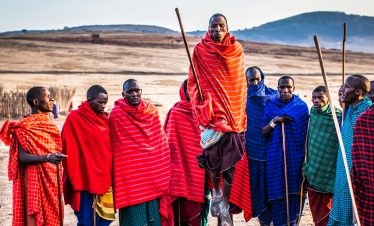
Along the way, meet the Maasai and Hadzabe (Bushmen) tribes to learn about their unique traditions, lifestyles, and deep connection with nature. It’s a perfect...
Ngorongoro Crater, Serengeti National Park
1 Person
Duration
5 Days
$2,280
Next Departures
October 19, 2026 (Available)October 20, 2026 (Available)October 21, 2026 (Available)
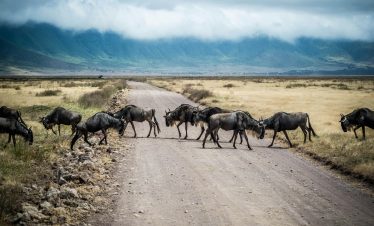
Great Migration in its natural habitat. This 7-day safari takes you from the lush landscapes of Arusha to the iconic savannahs of the Serengeti, with...
Ngorongoro Crater, Serengeti National Park
2-7 People
Duration
7 Days
$2,660
Next Departures
October 19, 2026 (Available)October 20, 2026 (Available)October 21, 2026 (Available)